





The La Maddalena archipelago, situated in the Strait of Bonifacio, has served as a crossroads of civilizations for centuries, acting as a natural transit point for merchants and navigators. As early as prehistoric times, Neolithic people transported obsidian and flint between Sardinia and Corsica, leaving traces in the caves of Santo Stefano and Spargi. Later, the Romans utilized the archipelago as a strategic point along the trade routes between Spain and Turris Libisonis, evidenced by merchant shipwrecks found near Cala Corsara, which are now preserved in the Naval Museum thanks to the excavations of Nino Lamboglia.
During the Middle Ages, the archipelago was home to monasteries on the islands of Santa Maria and Porcaria (today La Maddalena), while a church was established on Santo Stefano. The monks, connected to nearby Bonifacio, were under the jurisdiction of Gallura until the structures were abandoned, likely due to Barbary pirate raids.
In the 17th century, Corsican shepherds began to settle in the archipelago, living in precarious conditions and with an uncertain legal status. The situation changed in 1767 when the House of Savoy claimed the island through a military expedition, providing security, a church, and a community council.
The defense against Barbary raids and enlistment in the Navy transformed the inhabitants from shepherds into sailors.
In 1793, French revolutionary troops, led by a young Napoleon Bonaparte, attempted to conquer the archipelago. The islanders, led by Domenico Millelire, resisted with courage, forcing the French to retreat and earning honors and the respect of the Savoy Navy.
With the decline of the Napoleonic Wars, La Maddalena consolidated its link with the Navy and became a center of interest for Giuseppe Garibaldi, who found refuge there in 1849. Six years later, he settled permanently on Caprera, leaving a cultural legacy that remains vibrant on the island today.
Starting from the end of the 19th century, the archipelago took on a strategic role with the construction of the Great Fortifications—imposing structures for maritime defense—which were later supplemented by camouflaged outposts during the two World Wars. In 1943, Mussolini was imprisoned at Villa Webber, and the island became a theater of conflict between Italian and German forces following the armistice.
In the post-war period, the downsizing of military activities triggered an economic crisis; however, from 1972 to 2008, the island of Santo Stefano hosted a support base for U.S. submarines, leaving a significant mark on the island's social and economic life. Today, La Maddalena is a place that proudly preserves its history—through its fortifications, museums, and traditions linked to seafaring and the figure of Garibaldi—keeping its bond with the past alive while looking toward the future with a focus on tourism and culture.

Download the App
The WTLM App is an integral part of a technologically advanced communication solution dedicated to tourism, designed to help you discover the primary historical, cultural, and environmental landmarks of La Maddalena Island. It combines cutting-edge technology with accessible content in five languages to promote itineraries and points of interest that are often overlooked.


- Discover. Navigate the territory to reach and discover the archipelago’s main cultural and environmental attractions.
- Explore. By enabling Bluetooth or scanning the QR codes at selected points of interest, you can access detailed information, tour itineraries, and available services.
- Experience. A tool to receive real-time suggestions and useful information, such as news and upcoming events.
La Maddalena
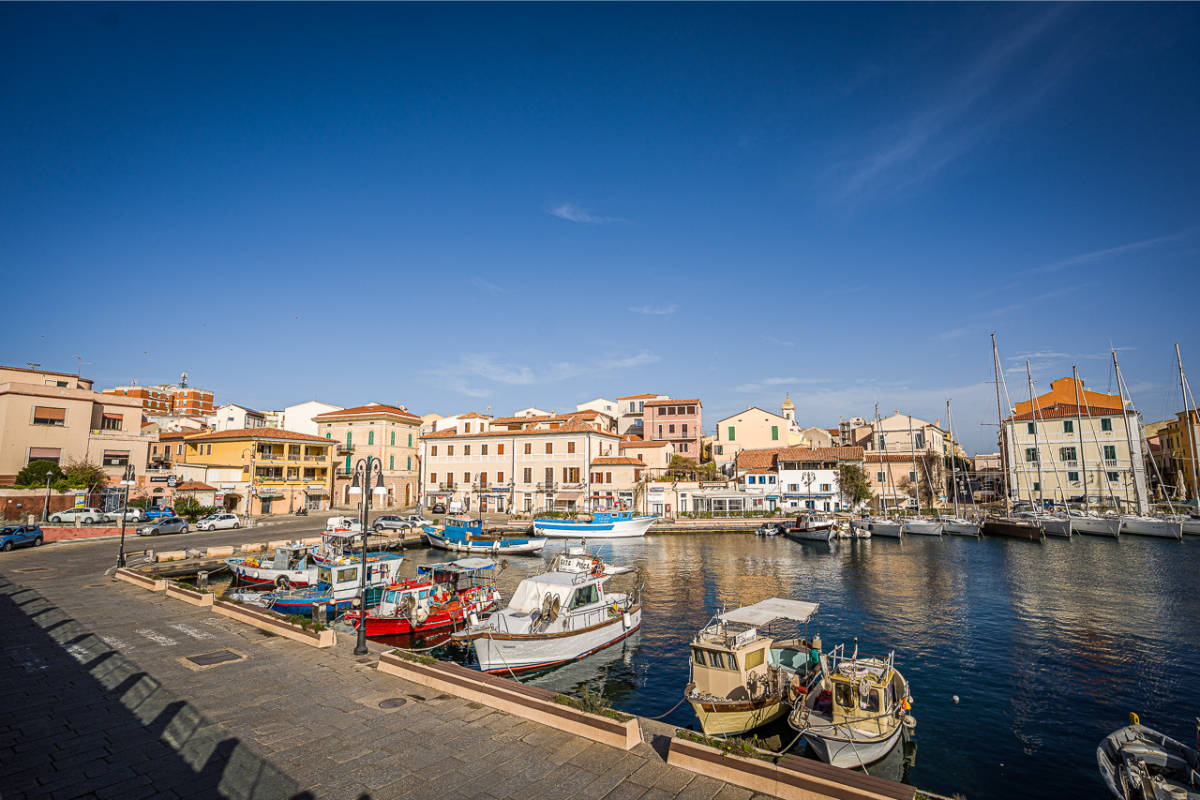
General Information
The La Maddalena archipelago is located in northeastern Sardinia, within the Strait of Bonifacio.
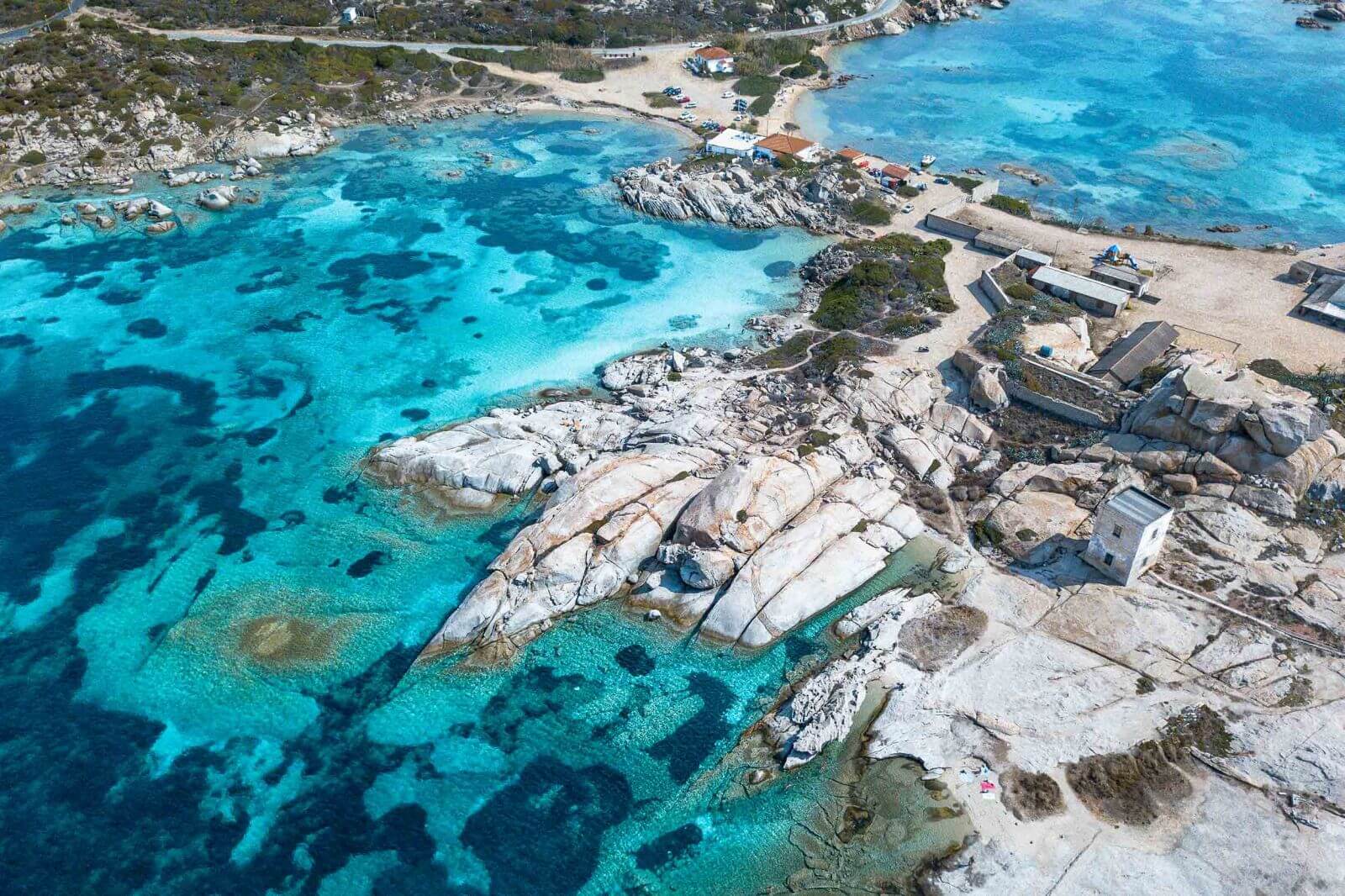
Frequently Asked Questions
Consult our Frequently Asked Questions to best plan your arrival.
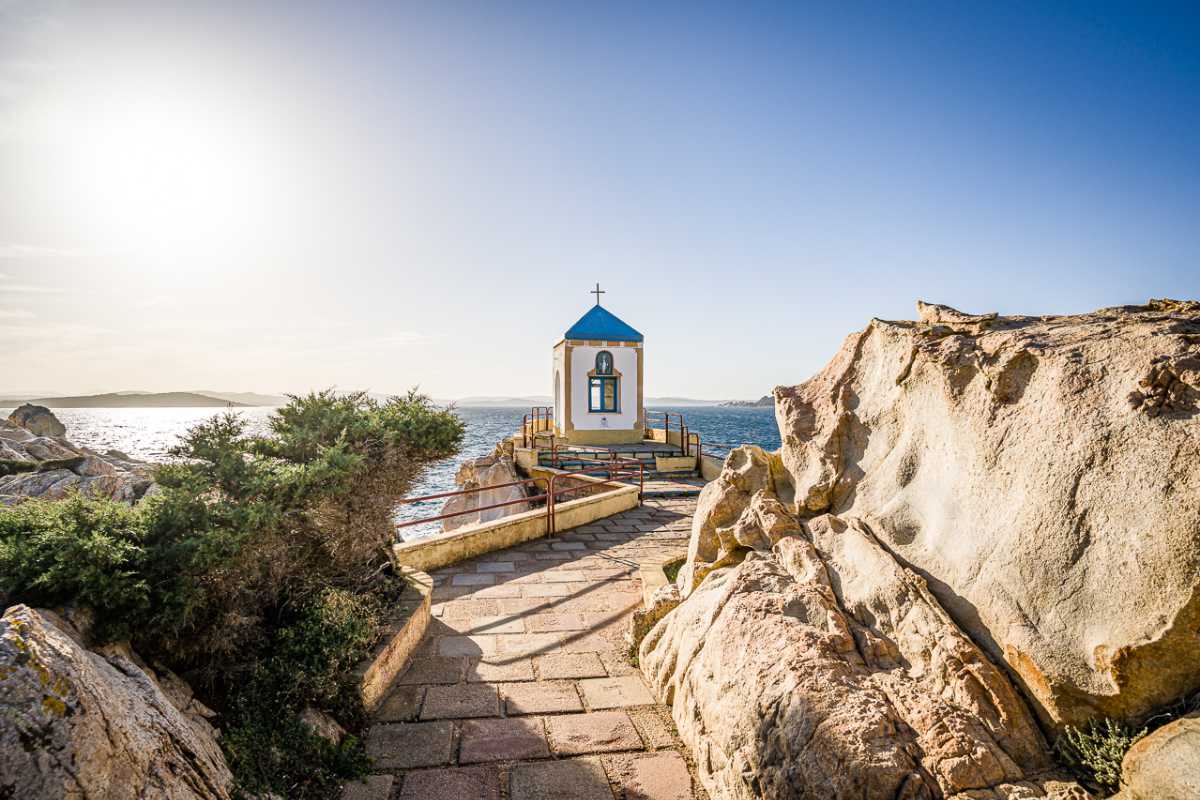
History
The La Maddalena archipelago, situated in the Strait of Bonifacio, has represented a crossroads of civilizations for centuries, serving as a natural passage for merchants and navigators.
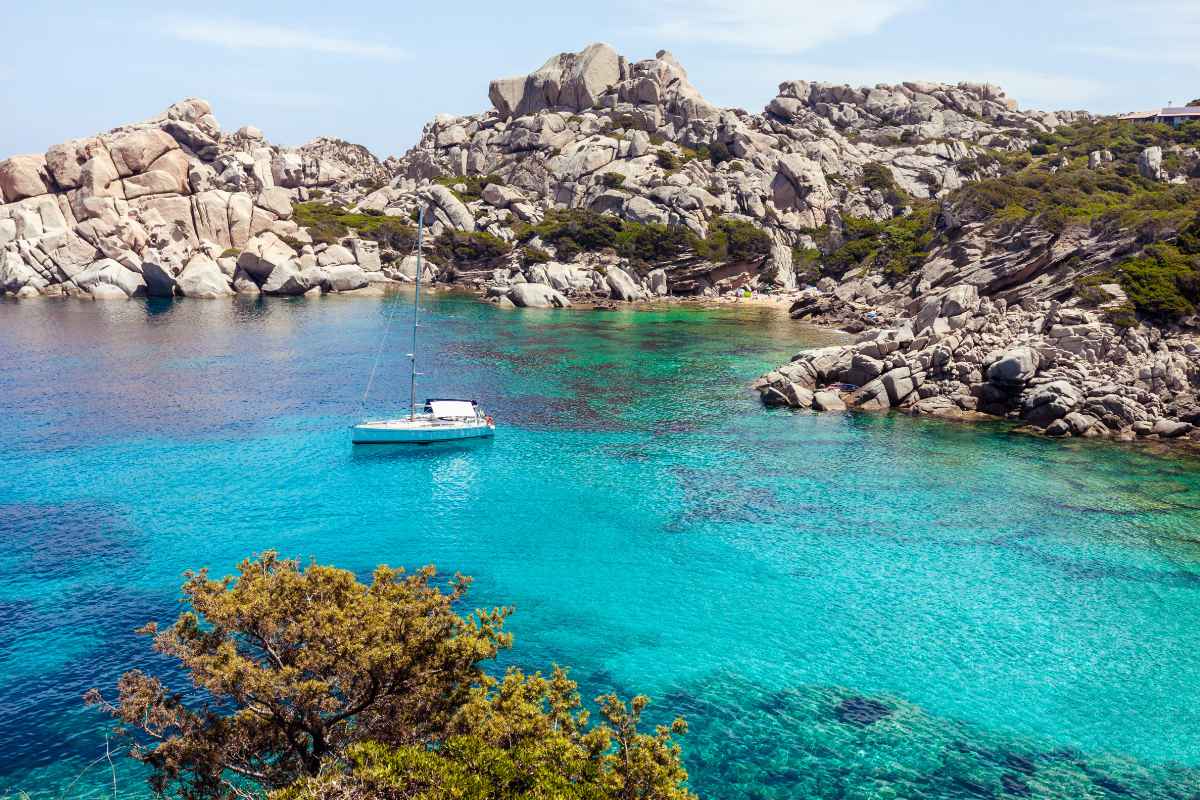
Environment
La Maddalena stands out for its commitment to removing architectural barriers and promoting inclusive tourism.